by Simon Zehentreiter | 12 June 2025 | AI, Autonomous Agents, Blockchain, Gaia-X, MOBIX, moveID, SSI
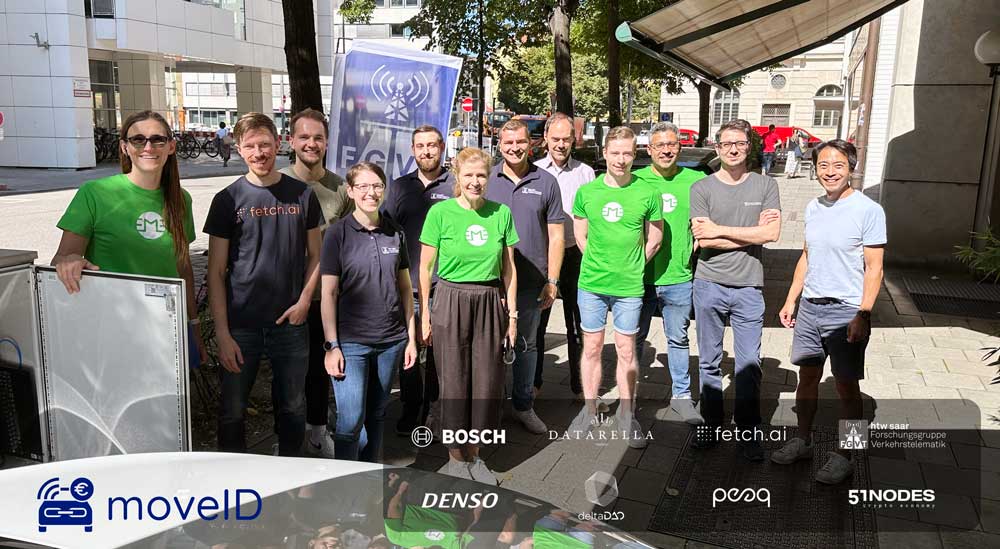
After three years of intense collaboration, innovation, and field testing, the moveID project—part of the Gaia‑X 4 Future Mobility initiative—has made significant strides toward redefining how mobility ecosystems work. At its core, moveID aimed to create a decentralized, user-centric infrastructure where vehicles, infrastructure, and service providers interact seamlessly using Self-sovereign Identity (SSI) and AI agents.
Building the Foundation for Trusted Machine Communication
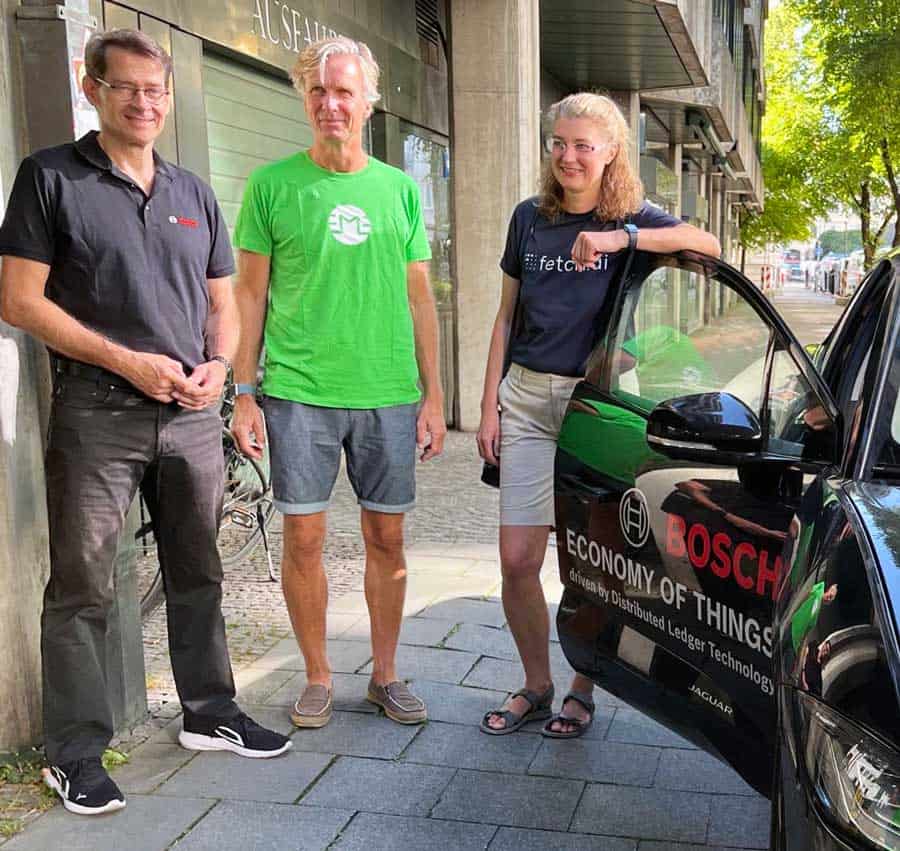
Working alongside industry leaders such as Bosch, Airbus, Continental, and leading Web3 projects, we contributed to building the technical and conceptual foundation for trusted machine-to-machine communication in the mobility sector. This included the secure exchange of credentials, decentralized data marketplaces, and AI-powered autonomous service interactions—all compliant with European data and privacy standards.
Demonstrating Real-World Impact: MOBIX Park & Charge

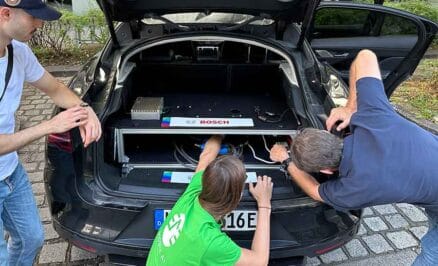
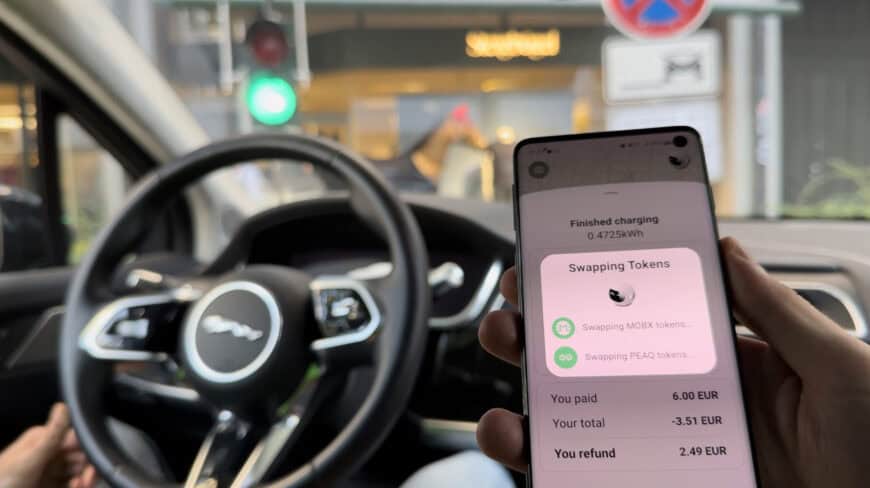
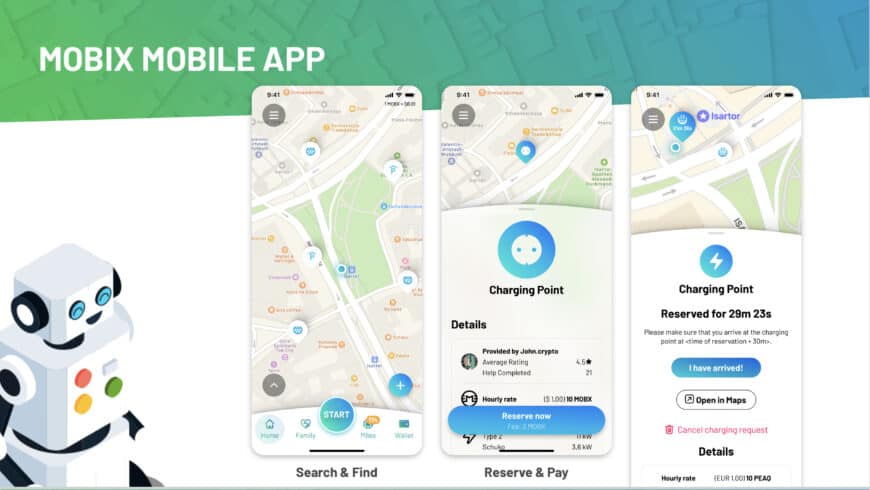
A standout achievement was the development and public demonstration of MOBIX Park & Charge, a fully operational system enabling electric vehicles (EV) to autonomously find parking spots, access charging stations, and handle payments. First showcased at IAA Mobility 2023, the system integrated SSI, blockchain-based payments, and AI agents in a live, real-world environment.
Scaling Toward Smart Cities
Beyond the demo, MOBIX has evolved into a scalable smart-city solution. By turning private EV chargers and parking spots into publicly accessible assets, we’re addressing key challenges in urban congestion and infrastructure scalability, while opening up new economic opportunities for individuals and municipalities.
Where Web3 Meets AI
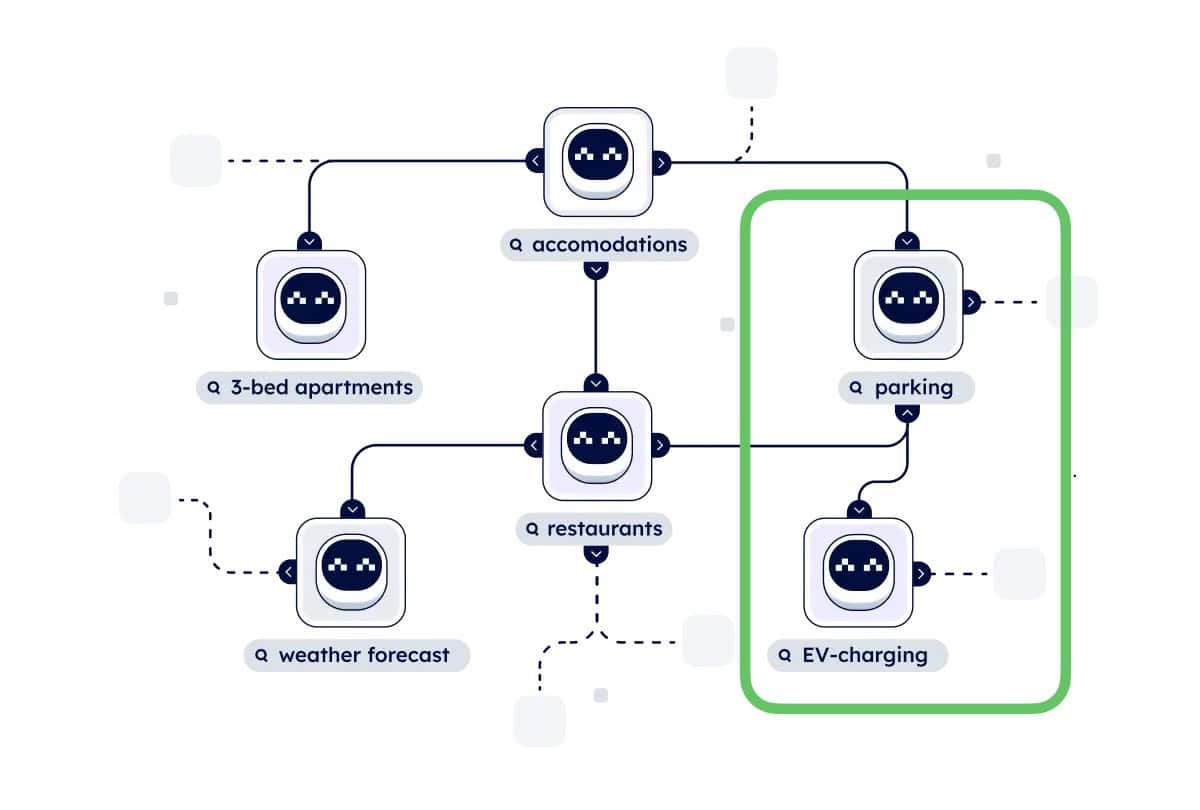
The project also served as a powerful example of the convergence between AI and Web3. By combining intelligent agents with decentralized infrastructure, we demonstrated how machines can not only interact but also negotiate, transact, and self-optimize—laying the groundwork for more ethical and transparent digital ecosystems.
A Foundation for the Future
In sum, moveID wasn’t just about mobility. It showcased how decentralized identity, autonomous agents, and AI can reshape how devices, services, and users interact—not just in cities, but across industries. As the project concludes, its outcomes provide a strong foundation for future applications in smart infrastructure, data sovereignty, and the broader digital economy.
by Simon Zehentreiter | 25 April 2025 | AI, Blockchain, COSMIC-X
In part two of the Cosmic-X blogpost series, we explained how we use the Secret Network blockchain and a custom Wallet Service to ensure the integrity and privacy of machine-generated data in Industry 4.0 environments. In this final part, we’ll show how we integrated the Wallet Service with live machines from SW and an AI service from inovex. Together, they power a proof-of-concept demonstrator for secure and accurate anomaly detection in machine components.
Visualizing Sensor Data
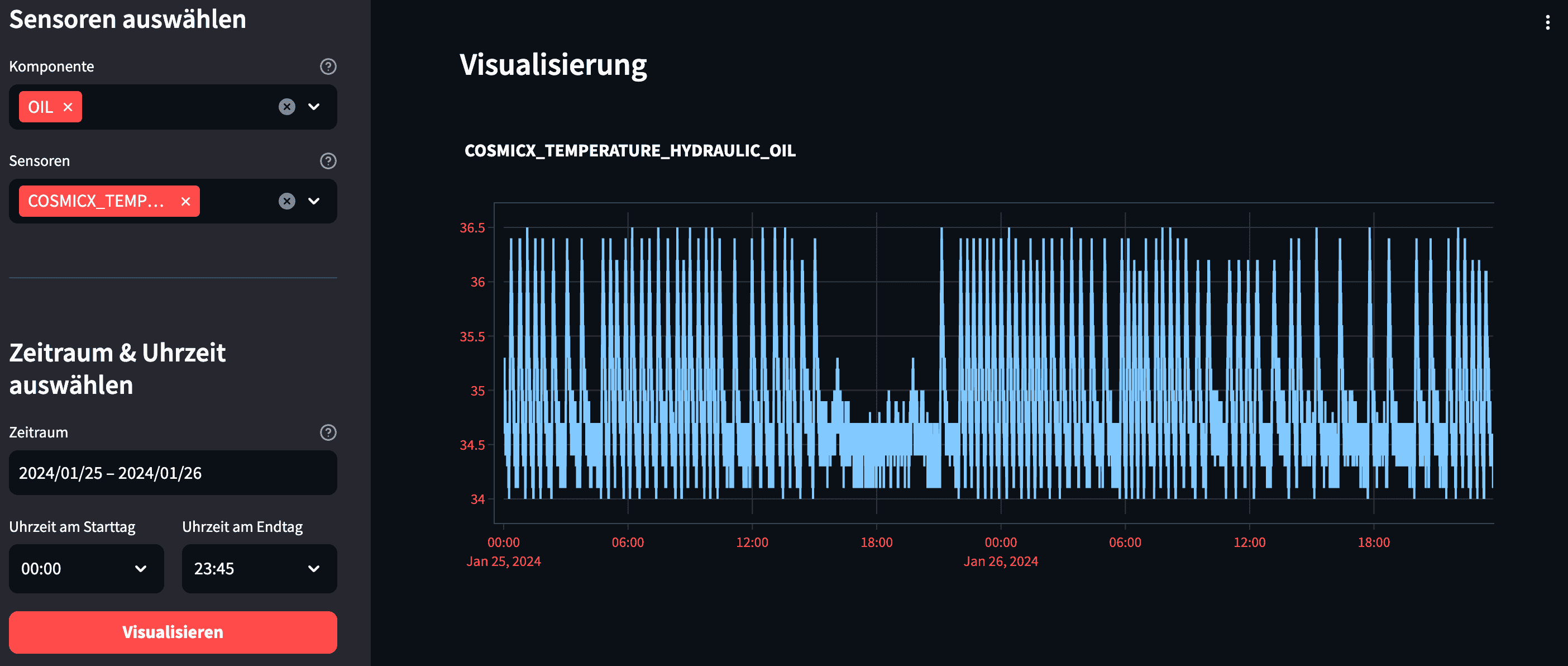
The demonstrator has three core features. First, the data exploration tool lets you visualize sensor data from three different machines. For granularity, you can filter by machine, component, sensor, and the timeframe you want to monitor.
Verification & Anomaly Detection
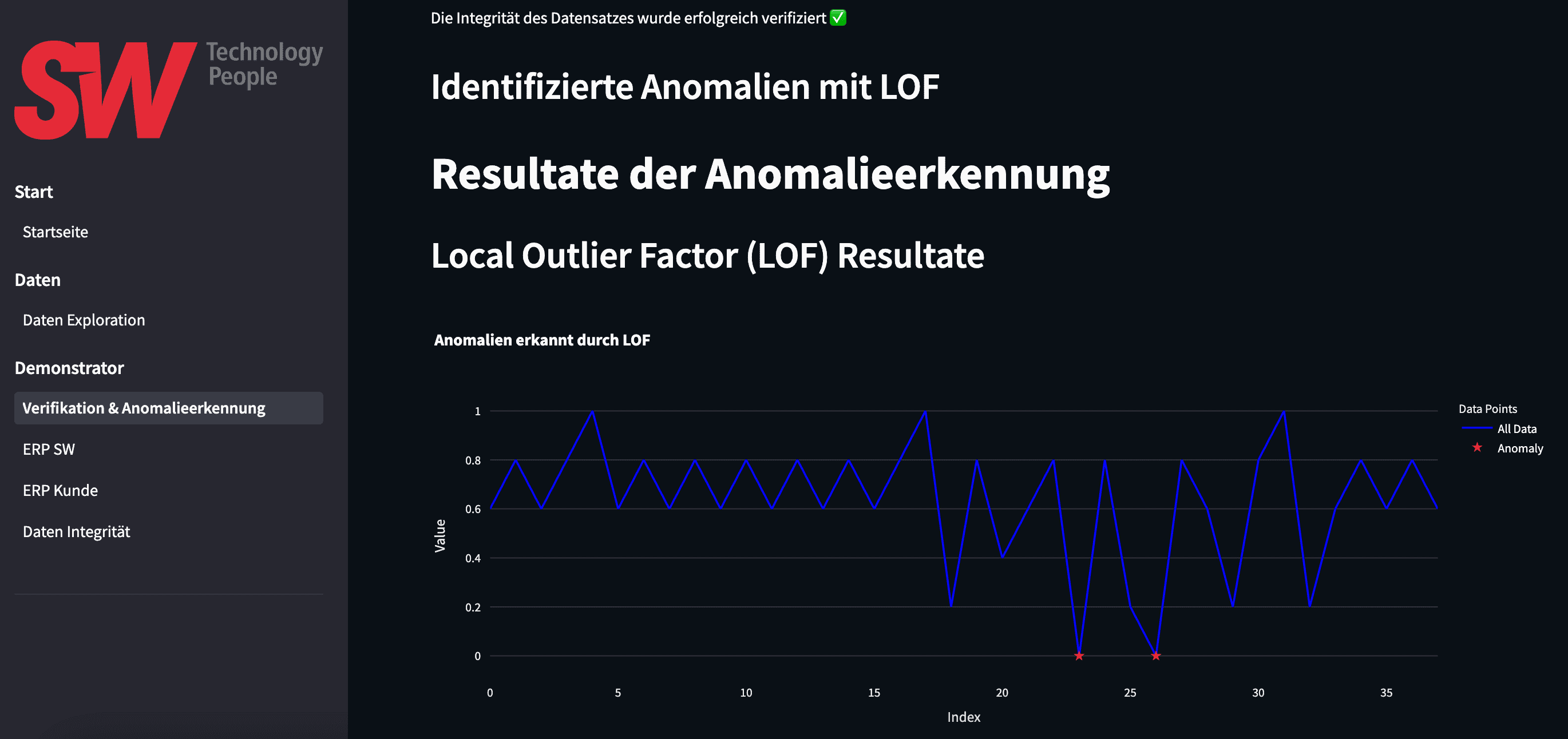
Next, the anomaly detection feature, coupled with data integrity verification. Like before, you can filter by machine, component, sensor, and timeframe. Additionally, you choose from three anomaly detection algorithms—Local Outlier Factor (LOF), DBSCAN, and Isolation Forest—and adjust their hyperparameters. After that, once you lock in your configuration and submit the query, the system fetches data from a central time series database. It then converts the data into the standardized format described in our previous post.
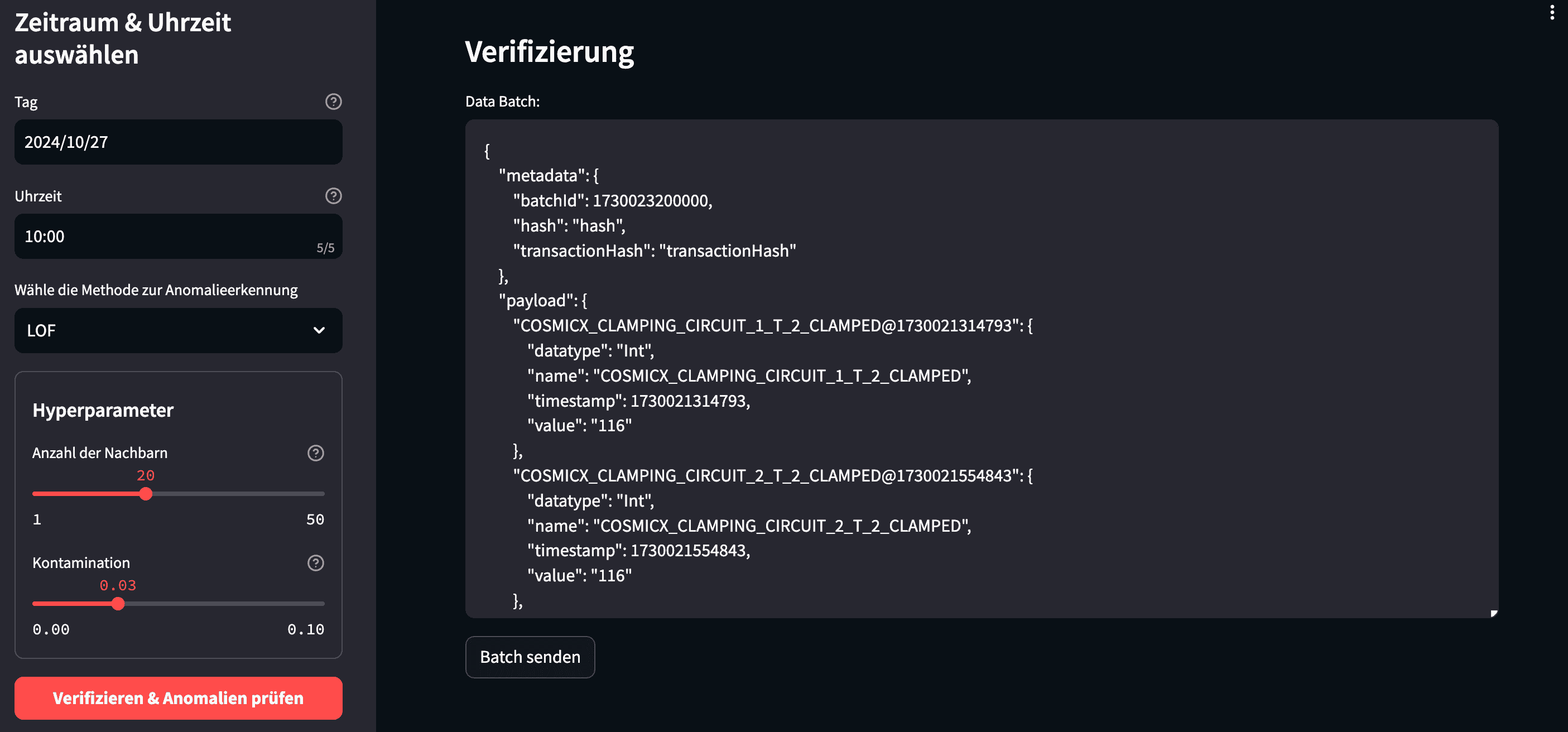
To ensure trust, the Wallet Service verifies the dataset by comparing a freshly generated fingerprint to the one anchored on the blockchain. It uses the standardized batchID for this lookup. If the fingerprints match, the AI service proceeds with the anomaly detection. Whenever the number of anomalies exceeds a defined threshold, the system flags the component as worn out. Consequently, it submits an automatic spare part order to the ERP systems of the manufacturer and the customer.
Data Integrity Log
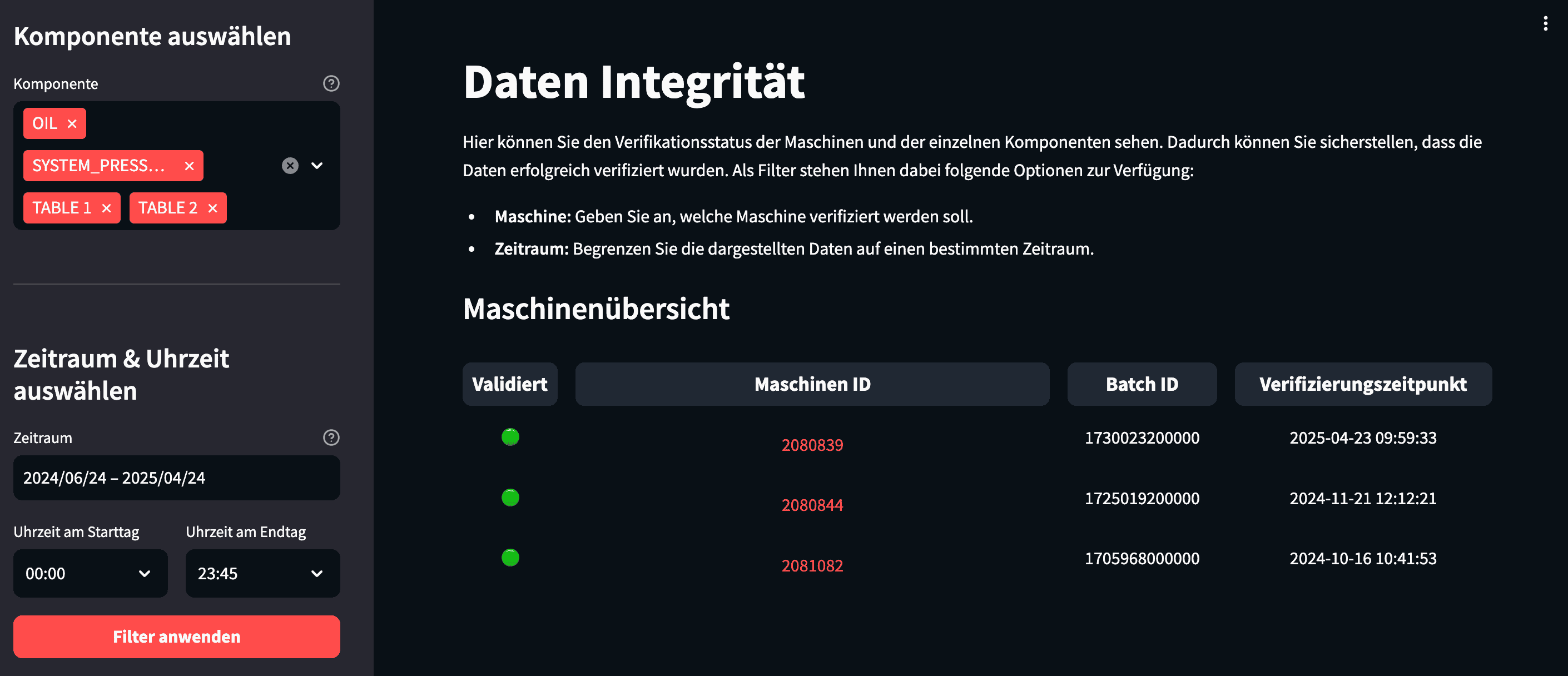
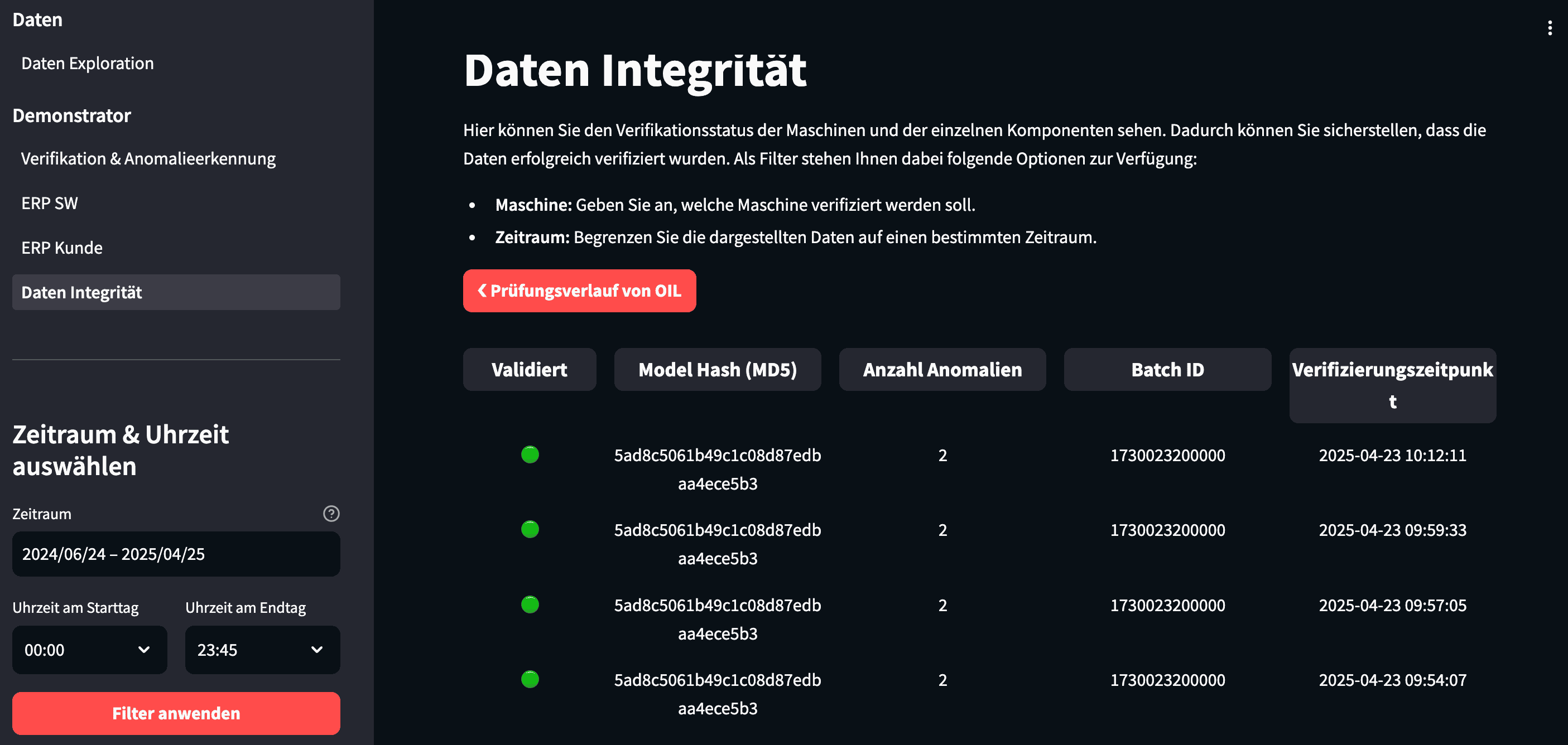
In this demonstrator, users manually trigger the configuration and execution of the anomaly detection. In contrast, a production system would automate and continuously run these steps. The third feature is a data integrity log to give users better visibility of what is happening. This audit trail has three levels: At the top level, it shows the health status of each machine and the last verified batch used for anomaly detection.
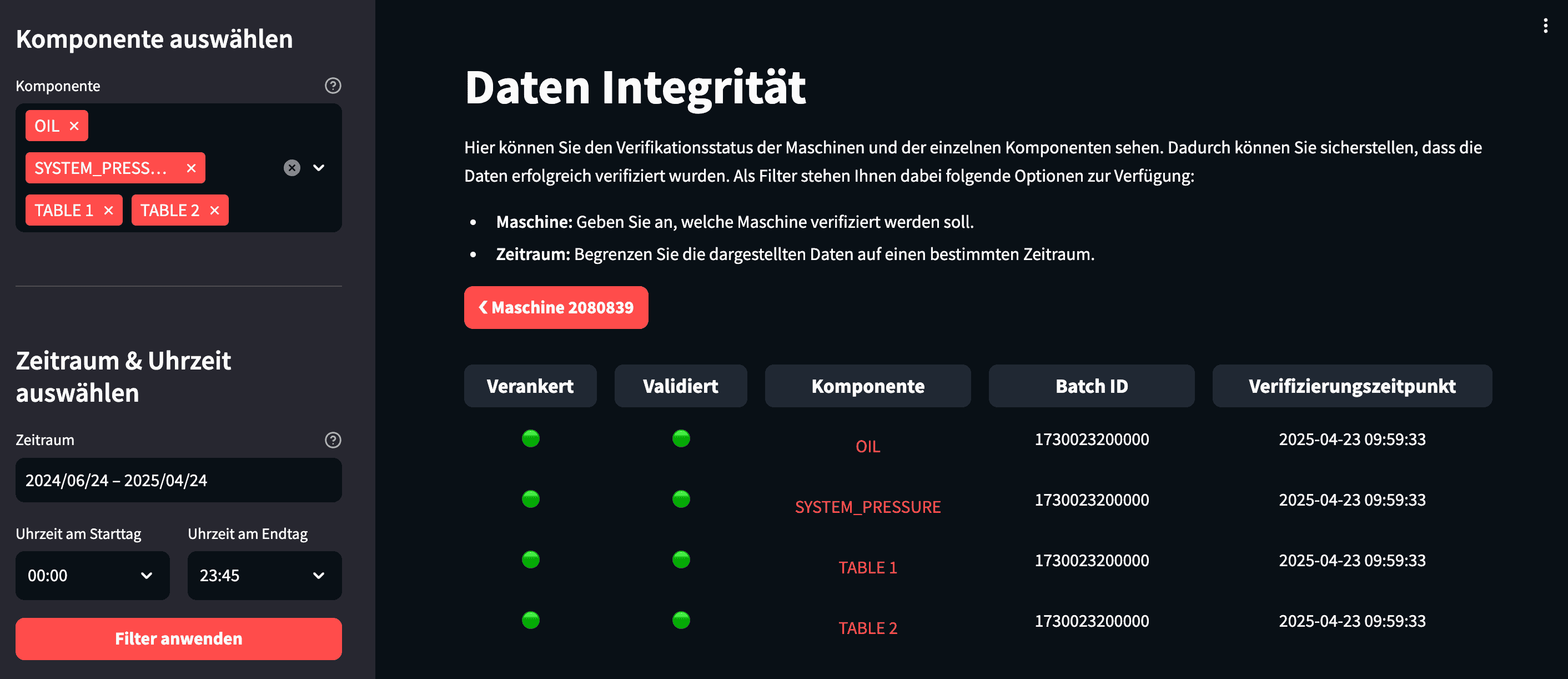
Next, it breaks down each machine into components, displaying health statistics for each
Finally, it presents detailed logs of every anomaly detection run and whether the data integrity check succeeded.
As we wrap up this blog post series, what began as a technical experiment has evolved into something much broader. It points toward a future of industrial intelligence that values transparency and built-in trust. By embedding trust directly into machine data and equipping AI with verified information, we do more than detect anomalies. We enable machines to communicate, collaborate, and maintain themselves. Ultimately, this proof of concept is a first step toward an Industry 4.0 landscape that is autonomous, secure, and transparent, where trust is not an afterthought but a foundation.
Curious how our blockchain-based data-integrity solution can help your business? Check out our one-pager for a quick overview of its key benefits!


by Michael Reuter | 8 July 2024 | AI, Blockchain
In the digital age, data has become the cornerstone of innovation. However, this surge in data-driven innovation is not without its challenges. Concerns about user confidentiality and the potential misuse of personal information are increasingly being highlighted. The ever-present risk of breaches also poses a significant threat. Additionally, our interconnected digital ecosystems have exacerbated the rise of misinformation and fake news. There is hope though through the convergence of Web3 and AI.
Two European non-profit organizations, INATBA and EBA, have unveiled the Report on AI and Blockchain Convergence. This report serves as a starting point for further discussions on the tensions surrounding Web3.
What’s in the Report?
The convergence of Web3 and AI can help segregate authentic from inauthentic content. Blockchain technology has matured beyond its initial cryptocurrency applications. It is now a fundamental tool in enhancing security, transparency, and efficiency across various industries. Blockchain has played a key role in redefining supply chain management and financial services. It has also enabled secure digital transactions.
Meanwhile, AI has progressed from theoretical concepts to practical applications. Major strides in machine learning have enabled AI to process and analyze data at unprecedented speeds and accuracy. This has led to innovations in fields such as autonomous driving and personalized medicine. The integration of AI and blockchain technologies can create a transformative synergy.
AI can enhance the flexibility of smart contracts. Blockchain’s decentralized architecture can diversify AI data sources, reducing inadvertent biases in AI outputs. AI can also streamline and enhance blockchain’s scalability. It can detect and rectify anomalous behaviors, and potentially prevent hacks and other illegal activities.
However, the convergence of AI and Web3 also raises significant challenges. The methodologies these AI models employ have raised questions about data source reliability and information quality. The ownership of this access is also a concern. The journey of blockchain adoption is laden with challenges, including scalability issues and integration complexities.
Navigating the regulatory landscape is also a complex task. In light of these advancements and challenges, it is essential to recognize the need for meticulous regulatory and ethical considerations. The integration of AI and blockchain technologies has the potential to elevate transparency and reduce the role of intermediaries.
Unlocking the Potential of AI and Blockchain Convergence
However, ensuring the credibility of AI decisions and the accountability of blockchain transactions is necessary for operational excellence and public trust. In conclusion, the convergence of AI and Web3 represents a transformative step towards creating more ethical and effective technological solutions. By combining the strengths of each technology, we can address pressing challenges faced by digital innovations today.
These challenges include concerns around privacy, security, and ethical decision-making. AI brings unparalleled capabilities in data processing and pattern recognition. It drives efficiency and innovation across various sectors. However, its limitations, such as potential biases and lack of transparency, highlight the need for a complementary solution.
Web3 offers the perfect counterbalance to AI’s limitations. It ensures transparency, enhances data security, and empowers users with control over their information. Together, AI and Web3 are transforming industries and setting new standards for ethical technology development. Their integration fosters a more accountable and trustworthy digital ecosystem.
Decisions are not only data-driven but also socially responsible and aligned with ethical standards. The historical parallel of the Internet’s convergence with various technologies underscores the potential of this combination. The integration of AI and blockchain has the potential to bring about significant social transformations in the coming years and decades.
A Future of Sustainable Technological Advancements
However, global institutions and national governments must work together to mitigate fragmentation risks. They must ensure that AI model development inputs are complementary to human flourishing. The road to global coordination for blockchain standards and regulatory treatment is far more advanced. The same approach should be applied to AI.
As we look to the future, the synergy between AI and Web3 holds the key to unlocking sustainable technological advancements. Emerging trends such as decentralized finance and smart healthcare show promising applications. We encourage stakeholders in the AI and blockchain ecosystems to come together and leverage their collective expertise.
By working together, we can tackle the challenges and harness the opportunities discussed throughout the INATBA / EBA report. Ultimately, the integration of AI and blockchain encourages us to reimagine the possibilities of digital innovation. This journey towards integrating AI and blockchain propels us towards technological excellence and ensures that our advancements contribute positively to society and the environment.

by Rebecca Johnson | 16 May 2023 | Blockchain, Featured, SmartAid, Track and Trust, Web3 Company Builder
Track & Trust is ready to launch soon! Here’s what’s new: Unlike many other supply chain solutions, it offers a probabilistic rather than a deterministic approach to tracking goods. In short, this means the solution captures tons of data that logistics firms are currently missing out on, with Track & Trust – Probabilistic 360° Supply Chain Tracking.
Track & Trust combines a set of modern Web3, communication, and satellite technologies and aims to address significant unsolved challenges of today’s supply chains. Combining various communication systems creates a network for the supply chain even in the most remote areas of the world.
Any kind of shipment information from such areas is highly valuable for all actors along the supply chain, such as logistic firms, their clients, the end consumer, and the operating teams on the ground. One of the current challenges is the accessibility of information in fast-changing and remote areas – an issue the Track & Trust team seeks to facilitate. While other supply chain systems deterministically produce output information by requiring a specific input, Track & Trust does not rely on standardized initial input, minimizing hurdles in gaining knowledge. Our probabilistic approach, in contrast, allows maximum flexibility. Any kind of slightest interaction with the shipment, even if it is only the scanning of a T&T QR code with a smartphone, leads to the submission of a status update. And it doesn’t matter whether logistical staff or anyone else has carried out this scan or someone not related to it.
Additionally, users are free to report on the status of the shipment or their own circumstances, meaning they can communicate through a text field and provide any extra information on the shipment on their terms, e.g. “flooded route. Took a different route, delivery delayed by two hours”. It is ultimately at the discretion of the logistics operators to multiply the effectiveness of their tracking tools to decide how and what data they use.
Leveraging Data to Drive Process Innovation
Data from the operational area is the actual raw material – logisticians can use them to complement or expand their services in a new way. This leaves room for extensions in the future, for example, on a basis of such a broad database, AI models could be trained to ultimately make predictions about the shrinkage of deliveries, stock levels, and route recommendations. Doing so creates added value for logistic companies’ customers and new competitive advantages for the company itself. Thereby, while increasing efficiency and transparency, Track & Trust holds the potential to change the logistics industry. Lastly, we feel grateful that by investing in this project, the European Space Agency underscores the overall potential of our tracking tool.
As things are beginning to take shape, stay tuned for updates on Track & Trust as it is ready for deployment by 2023!
by Rebecca Johnson | 27 October 2021 | Autonomous Agents, Blockchain, Featured, MOBIX, SSI
In this blog post, we look at the potential of service automation through autonomous economic agents in Blockchain-based systems. Datarella’s partner Fetch.ai has made it their mission to combine intelligent agents with blockchain technology in several use cases. Deep Parking is one of them, and using a specific example from MOBIX here you can get a feel for the potential of autonomous agents.
The path to the fourth industrial age is being paved by the interplay of Big Data-driven automation, robotics, IoT and Distributed Ledger Technologies, aka Blockchain. Given the increasing amount of data, and the number of digital services that go hand in hand with this progress, the need to automate them is also growing. Users should be relieved of unnecessary work and offered optimal results.
Agents take on the role of autonomously performing tasks on behalf of their clients (individuals or objects). For this purpose, they can also interact with each other. Intelligent agents can make complex decisions by using ML, i.e. AI-powered algorithms, based on large amounts of data.
A blockchain, with its data supply, offers a particularly favourable environment for intelligent agents. The data of a blockchain are permanently available and are logically related to each other. Decentralisation can offer robustness (no single point of failure) and lower transaction costs. Agents can assume a fully autonomous identity on a blockchain through private keys. They can use it to authenticate themselves and communicate their suitability for certain tasks. Agents can use shared protocols (possibly through smart contracts) to coordinate, collaborate efficiently, e.g. by distributing complex tasks among themselves. They can negotiate and make distributed decisions (even though voting processes use their blockchain). Tasks, goals or motives of agents can be recorded in the blockchain and economic incentives can be set for optimal task performance.
With regard to the IoT, a blockchain (as a single point of truth) can integrate various sub-systems, s.a. smart household appliances, smart buildings, smart districts and smart cities, and create added value for all agents participating in the network. Fetch.ai is an example of how intelligent agents can realize automated services based on blockchain technology.
Among the use cases of Fetch.ai, we would like to highlight agents for mobility services – traffic sign agents, parking agents for Deep Parking, agents for eMobility, agents for trains and stations that could even form a decentralised train network. In the process, increasingly intelligent autonomous agents interact on behalf of people or infrastructure, searching for each other, negotiating with each other in the interest of offering their users optimal solutions. In such a case, an autonomous agent of a car could, on behalf of its owner, seek and negotiate with agents working on behalf of parking lots to navigate the car and its owner to a quick and cheap place to park. With Deep Parking at the IAA in Munich 2021, the potential of agents for such use cases becomes clear.
There it was demonstrated how agents negotiate their resources on behalf of vehicles, their owners and the infrastructure to find an optimal solution for everyone without further efforts for the users. The following graphics show an excerpt from the exemplary communication between the agents involved.
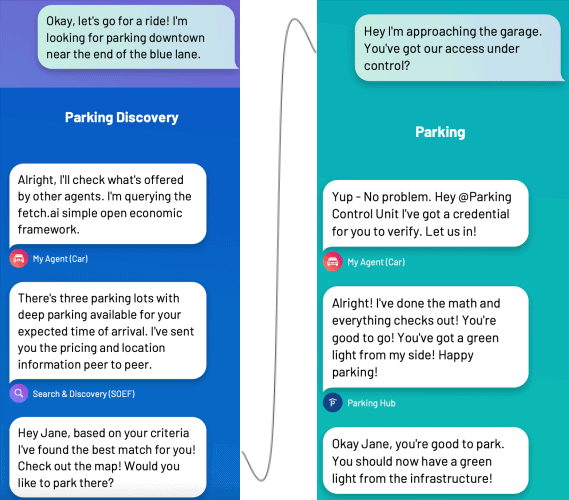
In this case, a user named Jane is looking for available parking space in the city centre. Without Jane having to do this herself, the agent in her car (My Agent (Car)) looks for another agent who offers a parking space via a specific (agent-)network (SOEF). Using Blockchain technology, agents handle authentication, price negotiation, reservation and even payment, autonomously according to their client’s preferences. When Jane approaches the parking lot, access is automatically granted to her car without further ado.
As shown, the scope of tasks autonomous agents can perform and the added value they can contribute is without limits. So, by using autonomous agents, the potential of Blockchain technology can be leveraged for all use cases where handling of huge amounts of data in real-time or near-time is needed.
by Martin Schäffner | 24 October 2019 | Blockchain
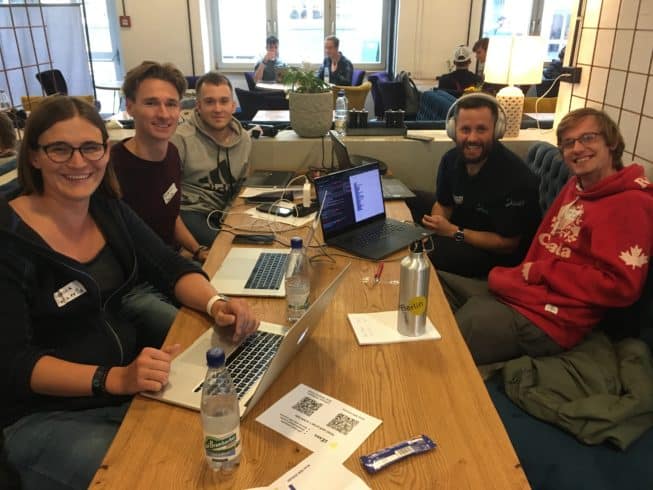
For the last year, we at Datarella have been working together with two leading sensor, IoT and infrastructure providers to collectively set technological standards and build distributed ledger technology to shape the future of mobility. On 19th and 20th of October Datarella participated at the Diffusion Hackathon by Outlier Ventures to experience live the 20 most exciting Web 3 protocols. We had the opportunity to dive deep into the Fetch.ai tech stack during the event and were able to leverage those tools to build a PoC over the course of two days. Fetch offers a unique agent-based approach to allow developers to turbocharge the matchmaking capabilities enabled by converging blockchain and AI. We proudly announce that our team of Rebecca Johnson (Datarealla), Tom Rae (Agent3), Idan Portal (2key), Tomasz Gęsior (Baltic Data Science) and Philipp Kothe (Datarella) won with our project “Effortless Parking” in two tracks.
During the hackathon, we built a project on top of a real-world use case in development within our consortium. Our Diffusion 2019 project is meant to extend and build on top of our current prototypes for improving coordination between parking lot operators, cars and the IoT & infrastructure providers whose systems make up the mobility landscape in which parking transactions take place.
Our goal was to increase the efficiency in the parking market by reducing the transaction costs which occur between the driver and the parking lot owner. Further, we wanted to prove that an open and collaborative market, enabled by web3 technologies, would be beneficial for both sides of this market. To strengthen our argument we will refer in this post to two economic theories, the transaction cost, and economic surplus theory.
1. Transaction costs
According to a study, car drivers spend around 40 hours a year searching for a parking space. This is not only a waste of time but is also responsible for one-third of all traffic, respectively traffic-related air pollution in inner cities. At the moment drivers have to download multiple apps and compare the offers of various parking garage operators to evaluate what is the best parking option close to the destination. Alternatively, many drives just drive around looking visually for an opportunity to park. However, both approaches are related to high opportunity and searching costs for the consumer.
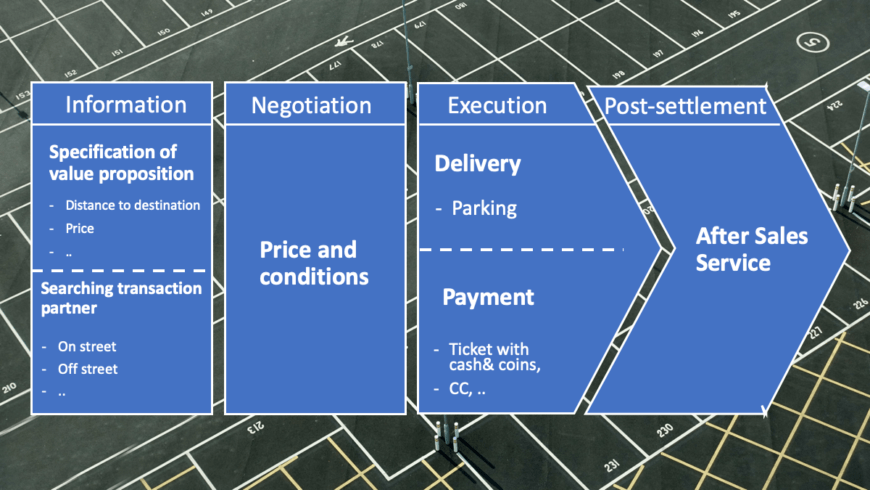
These costs together are also referred to as transactions costs and occur whenever a good or service is transferred via a technologically separable interface. Transaction costs describe both monetary and indirect costs such as time or effort. For a systematic approach, these costs can be divided by the time they take place in the transaction process. For example, prior to the conclusion of a contract, time needs to be spent searching and evaluating information, negotiating price and drafting/reviewing contracts, adjusting the contract/s, and finally, after contract execution, time must be spent to resolve any post-settlement disputes.
Like all costs, transaction costs have a limiting effect on economic growth. As a result, technological and organizational innovations that reduce transactions costs for users are becoming increasingly important for macroeconomic development.
2. Economic Surplus
Also, on the other side of the market, we identified high inefficiencies. In contrast to airlines or hotels, car park providers currently do not usually implement any kind of capacity utilization-based pricing. This, in combination with a lack of coordination and information among drivers, leads to a system of suboptimal asset utilization since some car parks are overbooked and while others are still nearly empty. The consequence is a limitation of the economic surplus created in the parking industry.
Economic surplus is a macroeconomic concept established and framed by the economist Alfred Marshall in the mid-19th century. Together with Karl Heinrich Rau, he developed a diagram, which shows the relation of demand and supply in dependency on price and available quantities of an economic good.
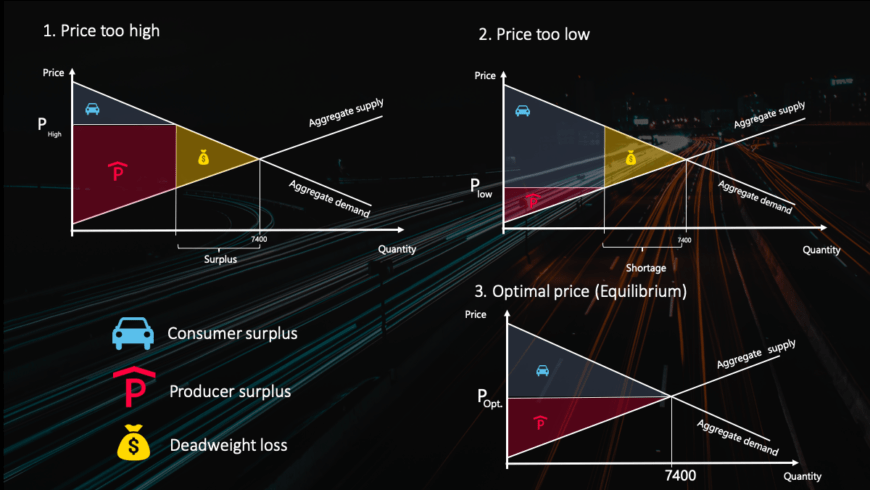
But let’s take this into practice and look at an example. The paid parking market in Munich consists of over 24 parking garages which offer about 7400 parking spaces.
In this simplified example, three scenarios are possible as shown in the graphic.
1. If the price is too high, there is not enough demand and we face a surplus in parking spaces.
2. If the price is too low a shortage occurs because there would be more people willing to park than operators offering lots.
-> In both cases, a deadweight loss is created and value is lost since the full market potential cannot be captured.
3. The equilibrium price is found. Hereby, the price is set where demand exactly meets supply, which allows to capture the full market potential. Important to note is that this system is referring to the average price, which is composed of the individual prices of each parking garage.
3. The Fetch.ai Solution
To solve this dilemma of coordination and optimal pricing our team used Fetch.ai, a system designed to increase market efficiency by helping to match supply and demand.
So, during this hackathon, we used Fetch.ai to build a software simulation that would allow us to model the revenue generated by the parking providers under both optimal and suboptimal coordination conditions. Our first model simulated the revenue of each parking lot operator without any cooperation between the different provider, coordination or dynamic capacity utilization based pricing. In that model, drivers just attempt to find the closest spot (which is close to the real behavior of inner-city drivers). The second model simulates a smart network in which the different operators collaborate and drivers are coordinated to the available parking spaces, which match their preferences for distance and price. Autonomous economic agents powered by AI negotiate to achieve economically efficient outcomes.
We implemented our project using Fecht.AI prebuild SDK library, which allowed us to run a local ledger and a local IEF node. Further, we implement a custom data service to represent the parking garages. In this model, the parking garages acted as data provider and the drivers compared then the data they saved as preference vector (like distance to destination, price..) with all of the available data from the garages. After all options are evaluated, the agents choose the best option for the driver and sets a deposit in Fetch (FET), the native token of the ecosystem, to reserve the parking spot. We then used Fetch.ai smart contracts to represent the tickets which are sold and bought.
This system allows to discover the equilibrium of the whole parking market dynamically, reacting to any changes in capacity utilization in real time. Practically it can be used to demonstrate to parking lot operators that they are leaving significant money on the table by not using a fair and neutral DLT based coordination and booking system alongside their competitors. Everyone’s better off in this model as deadweight loss and negative externalities are removed from the system while maximizing both parking operator revenues and net economic surplus.
We are absolutely thrilled to further discover the endless possibilities Fetch.ai offers. The best part of the system is the fact that these “simulations” are intended to be implemented within production systems in the future. This means that the same system we’re using to simulate the future economic and environmental effects can then be put into use to actually achieve those outcomes in a real-world system.
by Michael Reuter | 5 August 2019 | Blockchain
Since the advent of the internet aka Web 1.0, internet users have been enabled to shop online and to receive information from all over the world with a few mouse clicks. Since Web 2.0, users could actively participate by producing and sharing content, information and opinions over the web, and through this build their own personal online brands. With Web 3.0, we have now approached the next evolutionary phase: users can capitalize on their online brands by executing peer-to-peer (P2P) transactions, while keeping full sovereignty of their data.
There are two key technologies that allow for a more evenly distributed value creation: Distributed Ledger Technologies – aka Blockchain – and Artificial Intelligence AI. Whereas in Web 20, there were systemic errors, such as data silos, breaches and hacks, as well as data being hoarded or not utilized at all, the promise of Web 3.0 is becoming a distributed, silo-free, open source, non-discriminating framework to allow for a full sovereignty of individuals as well as enterprises. Blockchain is the best suited foundational technology layer for this purpose. A distributed network of ledgers can be used by machines to communicate with each other, and participate as autonomous entities in the global economy.
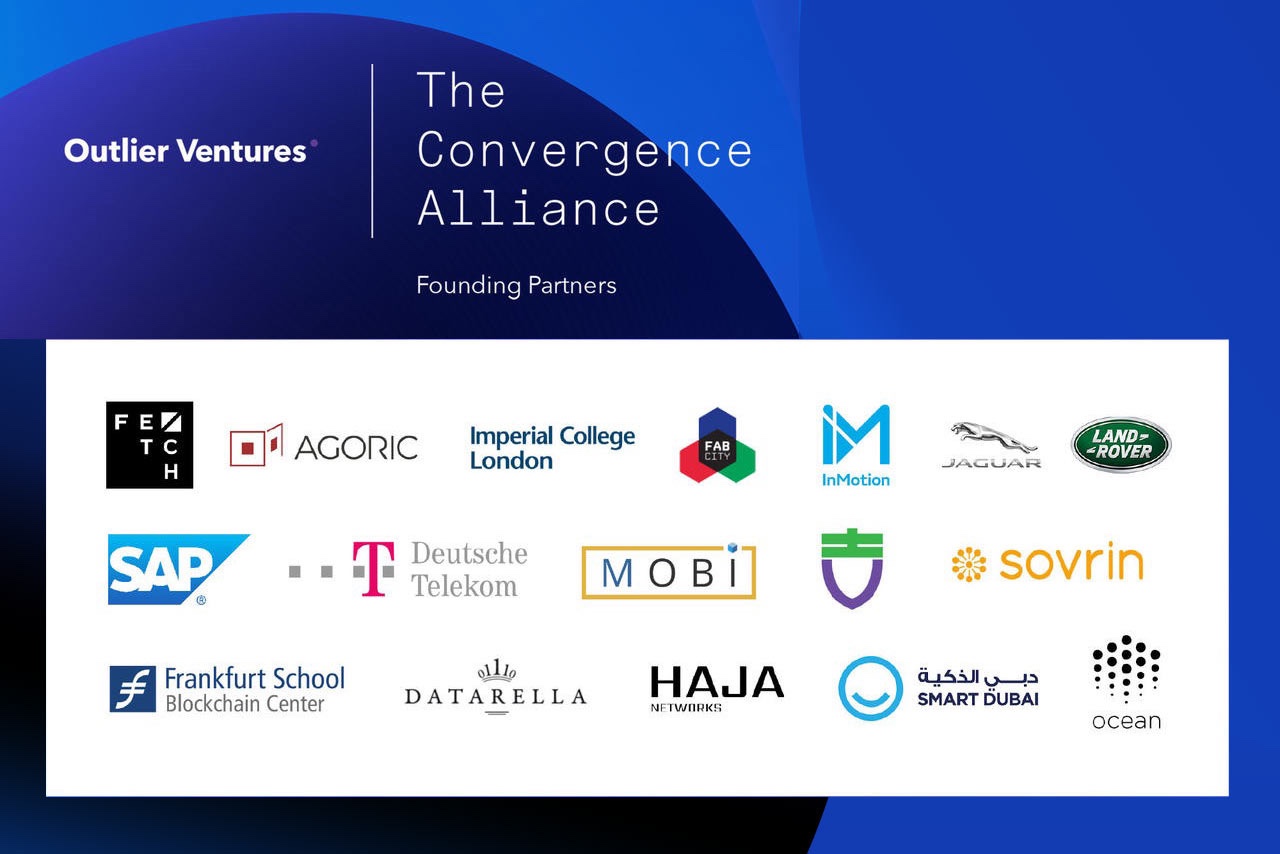
As we have learned from the history of the Internet, a technology itself is a necessary but not a sufficient condition for becoming a non-discriminating, open source technology layer. Beside technology, there must be a governance model including smart incentive schemes that allow for a sustainable, non-discriminating behavior of participants in the system. Ideally, many participants across a variety of industries agree upon. finding and setting these rules, regulations and incentives. With Datarella, we are honored to become a founding member of the Convergence Alliance, together with Deutsche Telekom Innovation Laboratories T-Labs, Jaguar Land Rover’s InMotion Ventures, SAP, Imperial College London, Frankfurt School Blockchain Center, MOBI, Smart Dubai, the Fab City Global Initiative and Outlier Ventures. The Convergence Alliance is a unique community of open source protocols, enterprise, start-ups, government bodies and academia leading the next phase of the Web.
Our role Datarella in the Convergence Alliance is to focus on onboarding and supporting small and medium-sized businesses SMB that aim for entering the fields of blockchain amd AI. Whereas other technology pushes come with huge financial investments, to work with Blockchain and AI means pushing your company to the next level with small investments and contained risks. And, with the Convergence Alliance, teaming up with the ideal partner to invent new business models by capitalizing on thie innovative technologies blockchain and AI, it should be a no-brainer for SMBs to start working on it! Looking forward to seeing many SMBs joining the Convergence Alliance!
