by Simon Zehentreiter | 12 June 2025 | AI, Autonomous Agents, Blockchain, Gaia-X, MOBIX, moveID, SSI
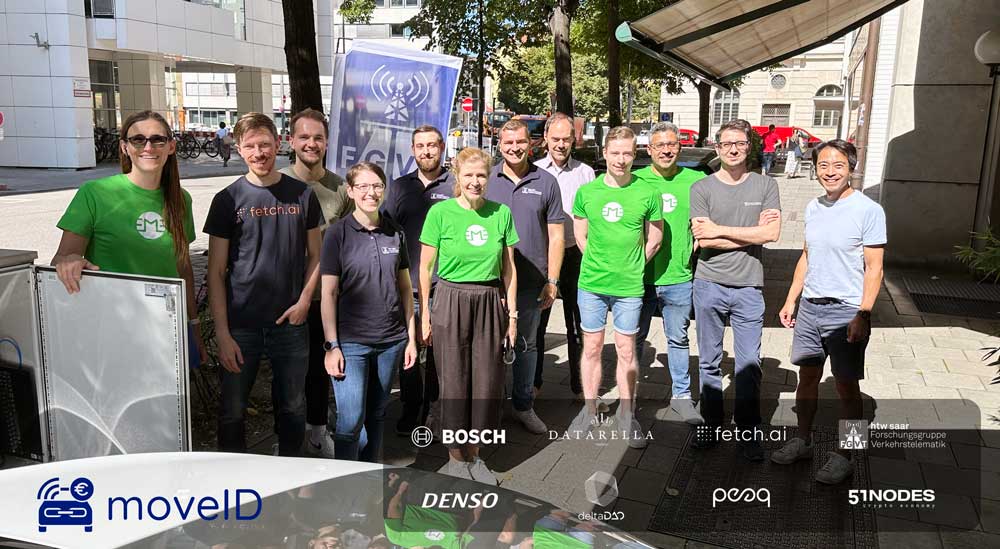
After three years of intense collaboration, innovation, and field testing, the moveID project—part of the Gaia‑X 4 Future Mobility initiative—has made significant strides toward redefining how mobility ecosystems work. At its core, moveID aimed to create a decentralized, user-centric infrastructure where vehicles, infrastructure, and service providers interact seamlessly using Self-sovereign Identity (SSI) and AI agents.
Building the Foundation for Trusted Machine Communication
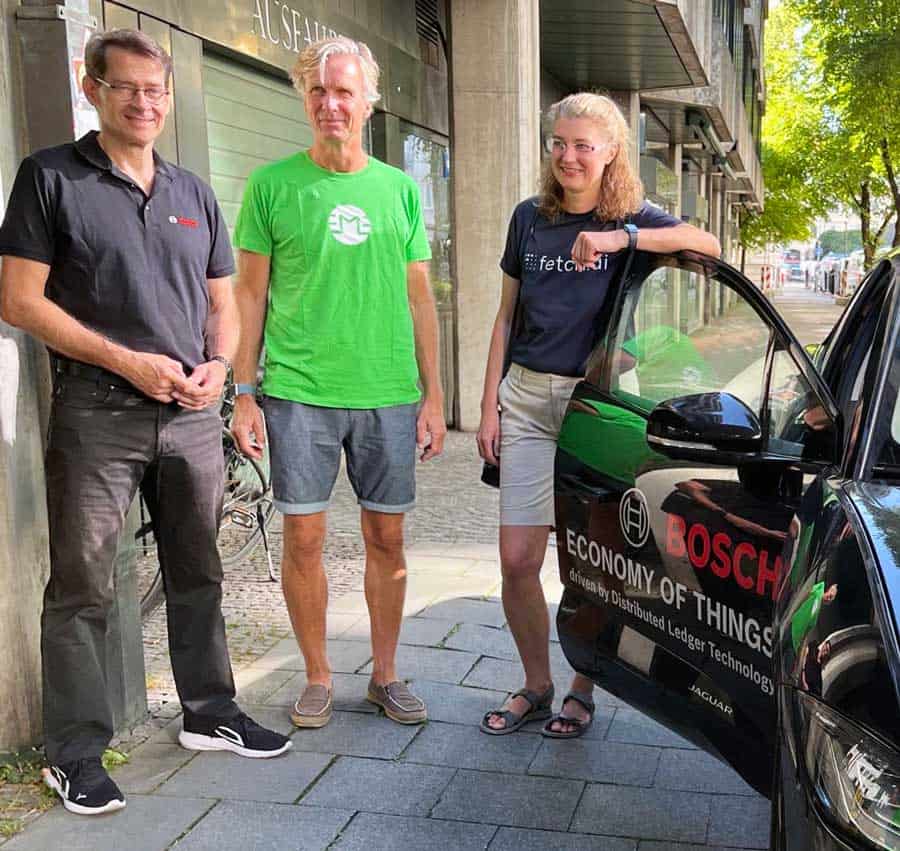
Working alongside industry leaders such as Bosch, Airbus, Continental, and leading Web3 projects, we contributed to building the technical and conceptual foundation for trusted machine-to-machine communication in the mobility sector. This included the secure exchange of credentials, decentralized data marketplaces, and AI-powered autonomous service interactions—all compliant with European data and privacy standards.
Demonstrating Real-World Impact: MOBIX Park & Charge
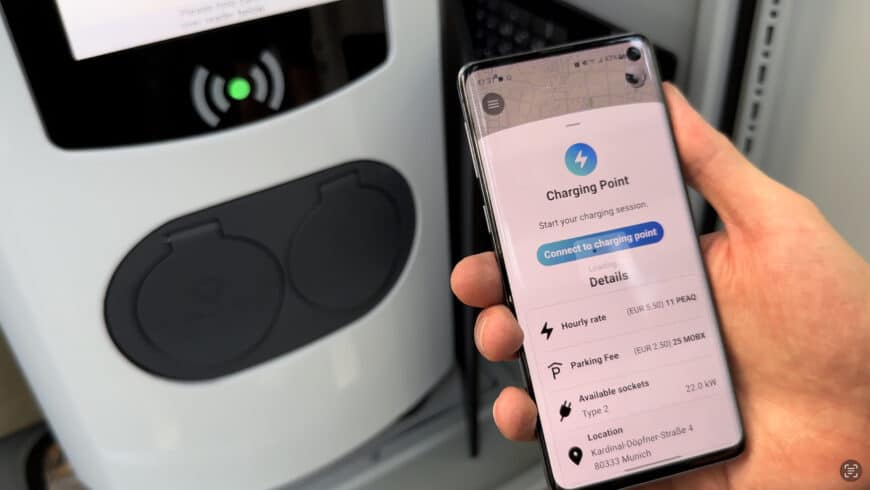
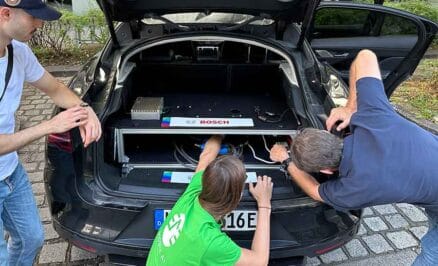
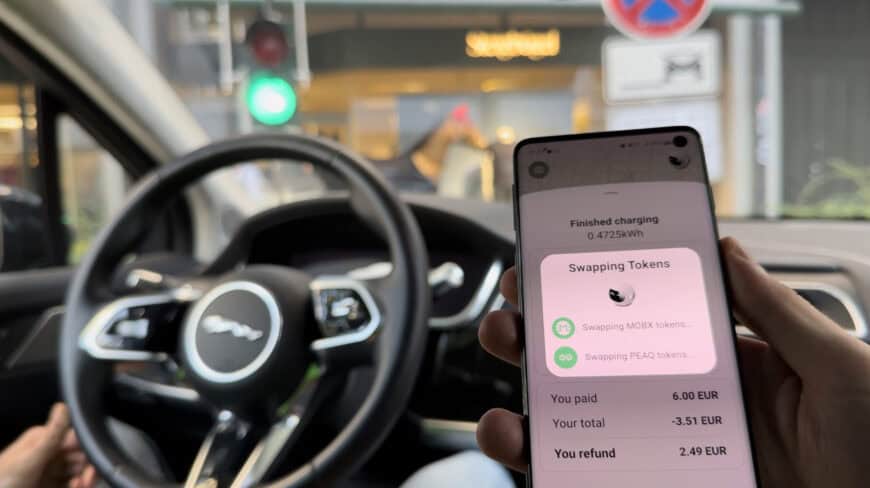
A standout achievement was the development and public demonstration of MOBIX Park & Charge, a fully operational system enabling electric vehicles (EV) to autonomously find parking spots, access charging stations, and handle payments. First showcased at IAA Mobility 2023, the system integrated SSI, blockchain-based payments, and AI agents in a live, real-world environment.
Scaling Toward Smart Cities
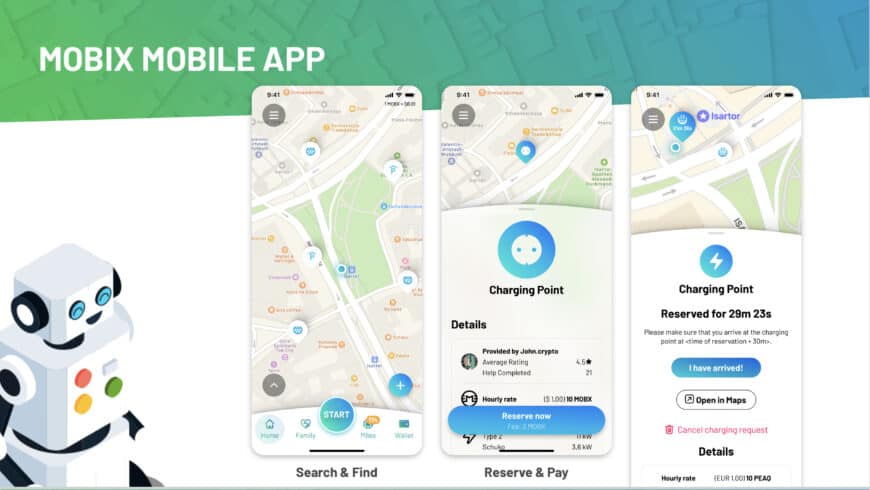
Beyond the demo, MOBIX has evolved into a scalable smart-city solution. By turning private EV chargers and parking spots into publicly accessible assets, we’re addressing key challenges in urban congestion and infrastructure scalability, while opening up new economic opportunities for individuals and municipalities.
Where Web3 Meets AI
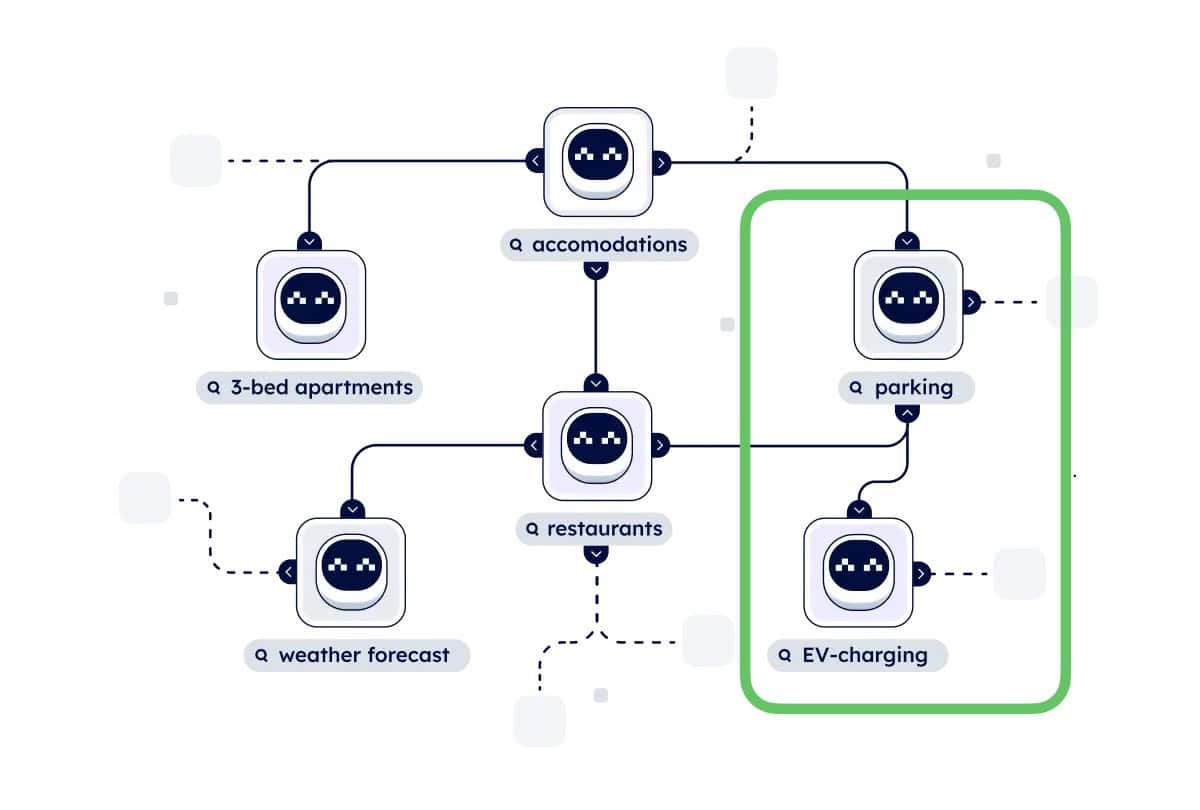
The project also served as a powerful example of the convergence between AI and Web3. By combining intelligent agents with decentralized infrastructure, we demonstrated how machines can not only interact but also negotiate, transact, and self-optimize—laying the groundwork for more ethical and transparent digital ecosystems.
A Foundation for the Future
In sum, moveID wasn’t just about mobility. It showcased how decentralized identity, autonomous agents, and AI can reshape how devices, services, and users interact—not just in cities, but across industries. As the project concludes, its outcomes provide a strong foundation for future applications in smart infrastructure, data sovereignty, and the broader digital economy.

by Rebecca Johnson | 25 August 2023 | Autonomous Agents, Blockchain, Events, Featured, moveID, Partnerships, SSI
The Convergence of AI and Web3 in Decentralized Mobility Solutions
As noted by the venture capital firm Andreessen Horowitz, AI and Web3 are converging technologies that leverage decentralized networks, self-sovereign identities (SSI), autonomous agents, and machine learning. These innovations enable new business models and streamline business processes, particularly in the realm of decentralized mobility solutions. A crucial success factor lies in integrating these technologies with existing business processes. Collaboration between innovative AI and Web3 startups and established industry leaders is essential for driving impact and fostering innovation.
At IAA Mobility, AI and Web3 startups collaborate with industry players and universities in the moveID consortium. They are showcasing a state-of-the-art smart city solution called MOBIX Park & Charge. To meet the project’s goals, positioning innovative cutting-edge solutions is vital. These solutions leverage data to redefine the technological landscape, heralding a data-driven revolution. The synergistic trio of Fetch.ai, a long-time partner of Datarella, along with peaq and Ocean Protocol as moveID partners, is making significant strides forward. This initiative is further supported by solution providers and integrators like Datarella, DeltaDAO, 51Nodes, and university teams from htw saar and Zeppelin University.
Fetch.ai: Bridging AI and Blockchain
Datarella partner Fetch.ai seamlessly combines artificial intelligence (AI) with blockchain technology, unlocking new possibilities across various sectors. These possibilities include autonomous machine economies, smart cities, and efficient resource management. The Fetch.ai platform provides a decentralized infrastructure for Microagents capable of executing tasks autonomously.
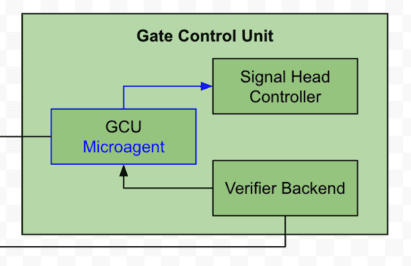
In the context of MOBIX Park & Charge, Microagents act as bridges between different software components on edge devices. This setup enables autonomous control over various systems, such as traffic lights.
Microagents in Action
Fetch.ai Microagents serve as multifunctional intermediaries. They communicate and initiate processes in external systems, handling complex tasks like:
- Managing crypto wallets
- Ensuring secure payment transfers
- Verifying events
- Controlling access to hardware such as gates, traffic lights, and chargers
In essence, Fetch.ai Microagents automate tasks on behalf of human clients, streamlining processes and enhancing efficiency. These functionalities contribute significantly to the development of decentralized mobility solutions.
peaq: Empowering the Economy of Things
As automation surges, the peaq network emerges as a key player in sharing its benefits with everyone. It fosters the Economy of Things by establishing a crucial layer-one blockchain infrastructure for decentralized mobility applications.
Peaq’s technology stack and economic incentives enable the development of applications for machines in this emerging economy. For instance, it powers electric vehicle (EV) charging applications. The peaq token fuels the entire ecosystem, facilitating digital identities for machines and enabling seamless payments.
In MOBIX Park & Charge, peaq allows communication with charging points, using peaq tokens to initiate and pay for EV charging processes.

Ocean Protocol: A New Data Economy
Ocean Protocol aims to unleash its potential for individuals and organizations alike. It empowers secure data sharing (Compute-to-Data), selling, and monetization while ensuring control and privacy. Users retain the power to determine who accesses their data and how it is used.
This establishes a novel paradigm in the data economy, especially for AI models in the mobility sector. In MOBIX Park & Charge, Ocean Protocol integrates its decentralized data marketplace technology. This facilitates sovereign and privacy-preserving data exchange within mobility applications.
Key Components of Ocean Protocol
Key components of Ocean’s data pricing mechanisms include Compute-to-Data and a Gaia-X-compliant Self-Sovereign Identity (SSI) approach. Additionally, Ocean solution provider DeltaDAO collaborates to implement the Ocean Tech Stack. In future versions of MOBIX Park & Charge, the goal is to simplify data sales for IoT devices. These devices will automatically sell data directly on the Ocean Marketplace or through Compute to Data. Fetch.ai agents possess built-in intelligence, allowing IoT devices in cars to decide when and how to post data to the Ocean Marketplace based on traffic situations.
Conclusion: Paving the Way for a Data-Driven Future
The versatile infrastructure of peaq, the automated decision-making capabilities of Fetch.ai’s Microagents, and Ocean Protocol’s sovereign data exchange mechanism synergistically converge to facilitate MOBIX Park & Charge. As we stride toward a data-driven future, these technologies pave the way for decentralized mobility solutions that could profoundly reshape mobility.
